Don't miss our holiday offer - up to 50% OFF!
How to Meal Prep Lentils: A Practical Guide

Green lentils include standard green varieties and the premium French Puy lentil (Lentille verte du Puy), which has AOC/PDO protection. Standard green lentils from Canada cost less than Puy lentils but offer similar cooking properties. For food manufacturing, Canadian green lentils provide the best value without sacrificing quality.
Avoid These 3 Costly Cooking Mistakes
Not only does it contain 6 g of protein per cup (244 g), but it’s also an excellent source of calcium, vitamin D, and vitamin B12 (76). Amaranth and quinoa provide 8–9 g of protein per cooked cup (246 g and 185 g respectively) and are complete sources of protein, which is uncommon among grains and pseudocereals. Cooking lentils is a straightforward process that requires only a few basic steps. First, sort and rinse your lentils to remove any debris or impurities.
Blueberry Nutrition Facts
Green lentils are an earthy green (sometimes brown) variation of lentil. These tend to have a peppery taste and maintain a firm texture after being cooked. In fact, green lentils are essentially brown lentils that haven’t turned brown yet. Green lentils do have more of a lively vegetable-like taste by comparison. Yellow lentils are hulled and split Moong beans that are most commonly used in India as dal.
Yes, while all lentils provide a good range of essential amino acids, some varieties like red lentils have a slightly better balance of lysine and leucine compared to others. Lentils have a low glycemic index, which means they can help regulate blood sugar levels and improve insulin sensitivity. The fiber and protein in lentils slow down the digestion and absorption of carbohydrates, preventing a spike in blood sugar levels. This makes lentils an excellent choice for those with diabetes or prediabetes, as well as those who are trying to manage their https://unimeal.reviews/ blood sugar levels.
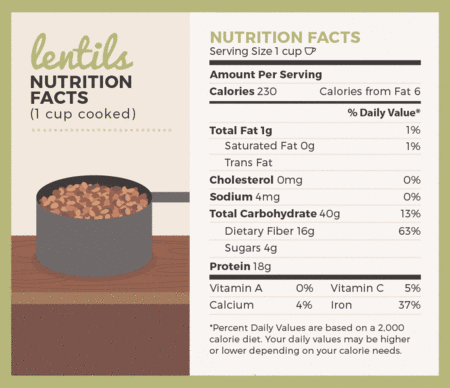
Though they’re a common food staple in countries such as Turkey, Syria, Jordan, Morocco, and Tunisia, the greatest production of lentils nowadays is in Canada (1, 2). 1 serving (100 grams) contains 116 calories, 9.0 grams of protein, 0.4 grams of fat, and 20.0 grams of carbohydrates. Soaking lentils before cooking and rinsing them well can also help. Eating lentils with ginger or cumin may make them easier to digest. Let’s be real, sometimes lentils can lead to a bit of gas or bloating. It’s usually because of the fiber and certain carbohydrates they contain.
What are the main nutritional benefits of lentils?
The fiber content sits around 8 grams per cup, supporting digestive health and creating lasting satiety. With a glycemic index of just 32, they stabilize blood sugar rather than spiking it. Today, lentils are grown in many parts of the world, with major producers including Canada, India, Turkey, and the United States. There are several types of lentils, including green, brown, red, and yellow, each with its own unique characteristics and uses in cooking. Whether used in soups, stews, curries, or salads, lentils are a versatile and nutritious ingredient that can add flavor, texture, and nutritional value to a wide range of dishes.
- Magnesium, potassium, and B-vitamins round out their nutritional profile.
- You do not need to look far to find healthy food options – locally grown in Canada, lentils are nutritious staples that offer an array of health benefits.
- Glyphosate MRL non-compliance is one of the most common import rejection triggers for Canadian lentils entering the EU.
- For example, they’re packed with B vitamins, magnesium, zinc, and potassium.
- Still, some people may be interested in increasing their plant protein intake for a variety of reasons.
- Puy lentils are a variety of French green lentils that have been grown in the rich volcanic soil of Puy in central France.
Protein Content Comparison: Lentils vs. Other Plant-Based Sources
Meals including lentils left me feeling satisfied for hours, which naturally reduced snacking. I always finish dishes with fresh lemon juice or apple cider vinegar. Fresh herbs added at the end—cilantro, parsley, or mint—provide aromatic lift that dried herbs can’t match.
How much protein is in a cup of cooked lentils?
Lectins can resist digestion and bind to other nutrients, preventing their absorption. Lentils contain trypsin inhibitors, which block the production of the enzyme that normally helps break down protein from your diet. Lentils contain antinutrients, which can affect the absorption of other nutrients.
How They Compare to Other Lentil Varieties
They are naturally gluten-free, vegan, and suitable for allergy-friendly and diabetes-friendly diets, aligning perfectly with clean and wholesome eating. Lentils are an excellent source of protein, but they are not a complete protein source on their own. This means that they lack one or more of the essential amino acids that the body needs to build and repair tissues. However, when paired with other plant-based foods, such as whole grains, nuts, and seeds, lentils can provide all the necessary amino acids for optimal health. For example, combining lentils with brown rice or quinoa creates a complete protein that can help support muscle growth and repair.
Lentils are also rich in complex carbohydrates, which can provide sustained energy and help to support healthy blood sugar levels. Overall, the nutritional benefits of lentils make them a valuable addition to a healthy and balanced diet. Lentils are a nutritional powerhouse, providing a rich source of protein, fiber, and essential nutrients like iron, zinc, and potassium. They are also low in calories and fat, making them an excellent choice for those looking to manage their weight or follow a healthy diet. The high fiber content in lentils can help to promote digestive health, lower cholesterol levels, and regulate blood sugar levels.
Can I eat yellow lentils on a keto diet?
It also contributes to anti-cancer properties and plays other preventive roles in conditions like heart disease and insulin resistance. Yes—they share identical cooking times and disintegration properties. However, yellow lentils have a milder flavor, making them better for picky eaters. Lentils are a good source of vitamin B1, which is needed to make new cells and enzymes which are needed for various physiological processes.
Black (or Beluga) Lentils
They are also a good source of fiber, which can help promote digestive health, lower cholesterol levels, and support healthy blood sugar levels. Additionally, lentils are low in calories and high in protein, making them an excellent option for those looking to lose weight or maintain a healthy weight. From the data, black lentils (sometimes called Beluga lentils) have the highest protein content per 100 grams dry weight, closely followed by green lentils. The slight differences in protein content are generally marginal but can be relevant for dietary planning, especially for those seeking to optimize plant-based protein intake.
Can lentils be used as a substitute for meat in recipes?
Though their mild, nutty flavor makes them a delight on the palate, it is their nutritional profile that truly shines. Yellow lentils are packed with essential nutrients, which contribute to overall health and well-being. They’re easy to cook, but they differ from other varieties like green or brown lentils in both cooking time and texture. Yellow lentils become softer and break down quicker when cooked, which makes them ideal for dishes where a creamier consistency is desired. Lentils are an excellent source of plant-based protein, fiber, and essential minerals like iron and potassium.
Lentils are a good source of zinc, which is needed for the synthesis of proteins and DNA, enzyme function, and a strong immune system. Additionally, it may help to prevent osteoporosis by inhibiting the enzyme that helps break down collagen. Lentils are a good source of vitamin B2, which is needed to help metabolize proteins and lipids in your body (6). Long story short, Puy lentils wins by a small margin, but there’s other factors you may want to consider as well. They have a very well-balanced rich, earthy and nutty flavor that pairs well with rice and flatbread. If you compare these figures to meat, then you would get largely different numbers with more emphasis on fat and less on fiber.